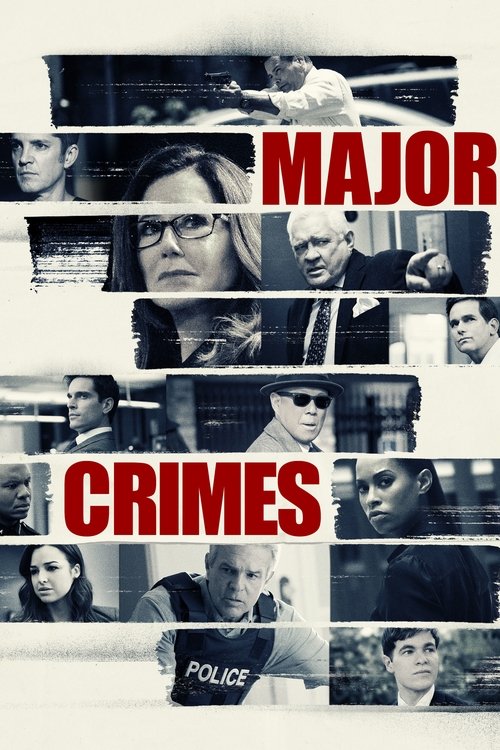
When we talk about police series focused on investigation, we often think of chasing criminals, finding evidence, and solving mysteries. But Major Crimes chooses a different path: negotiating for convictions. Born from the world of The Closer, this series presents Captain Sharon Raydor and her team, who must use legal strategies, negotiation, and deals to obtain confessions or sufficient evidence for prosecution. This series makes us question what 'justice' truly is and what we are willing to trade to achieve it.
Plot Summary (No Spoilers)
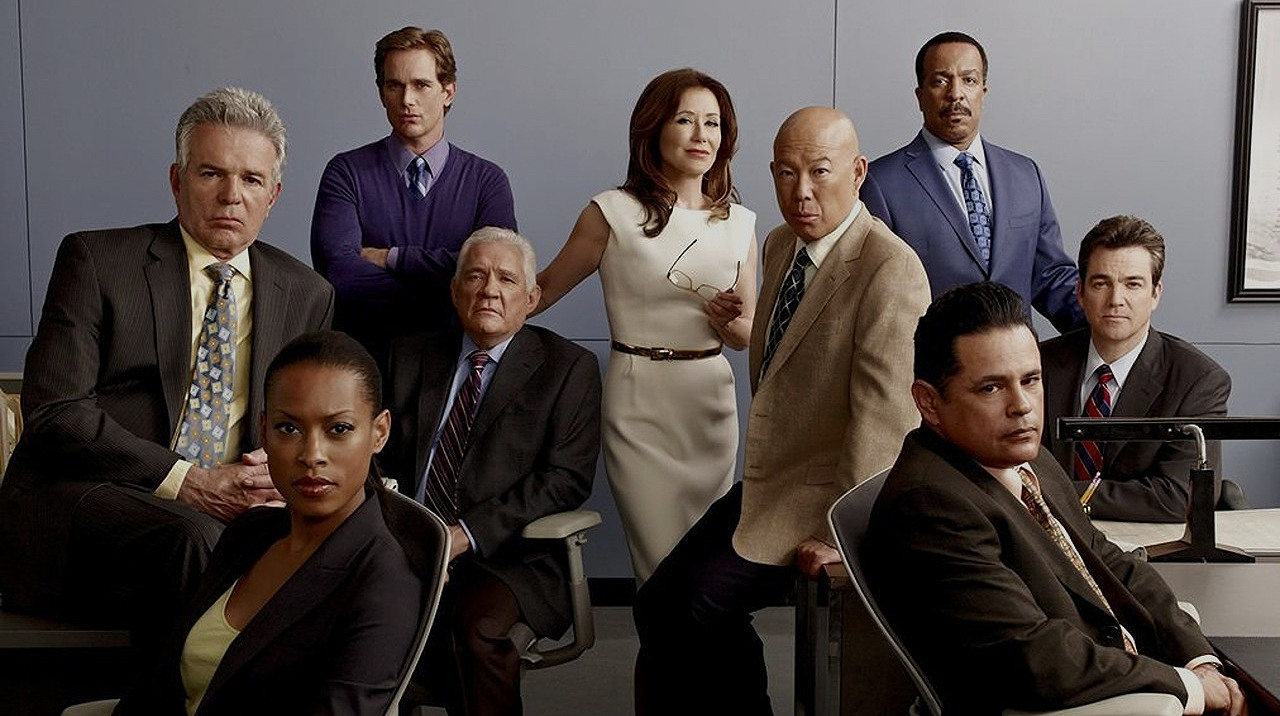
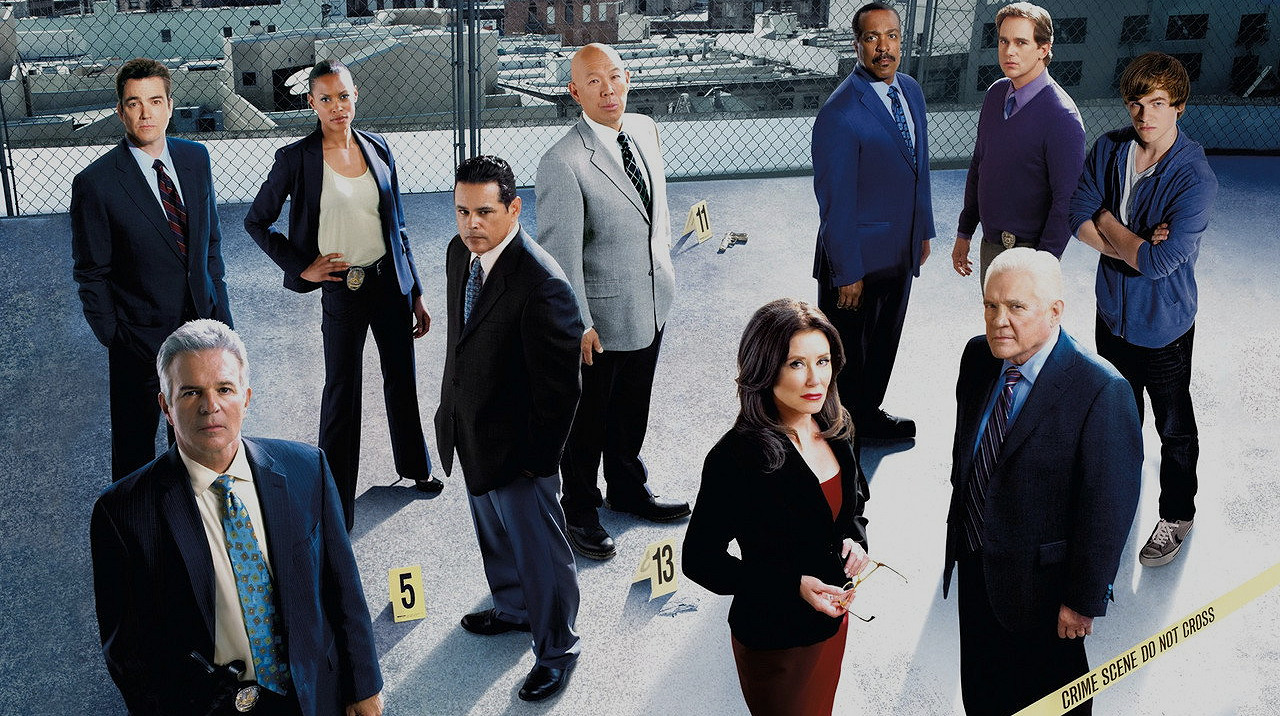
Major Crimes continues from The Closer, with Sharon Raydor (Mary McDonnell) as the head of LAPD's Major Crimes Division, handling sensitive and complex cases—from homicides to terrorism to high-profile crimes. The series focuses on the post-arrest process: negotiating deals with suspects, lawyers, and prosecutors to secure confessions or evidence ensuring the guilty are punished. The team includes Provenza, Flynn, Tao, Sanchez, and Buzz, working together under pressure and tight deadlines.
Acting and Characters
The heart of Major Crimes is Mary McDonnell's performance as Captain Sharon Raydor. She portrays a composed, decisive character with warmth and maternal care for her team, a stark contrast to Brenda Leigh Johnson in The Closer. G.W. Bailey as Provenza retains his grumpy, humorous style, while Tony Denison as Andy Flynn adds complex relationship dynamics with Raydor. Michael Paul Chan (Tao), Raymond Cruz (Sanchez), and Phillip P. Keene (Buzz) all have standout roles that develop over six seasons. The interactions between characters make the series lively and engaging.
Direction, Cinematography, and Music
The direction of Major Crimes benefits from directors who worked on The Closer, ensuring smooth storytelling that emphasizes dialogue and negotiation over action scenes, yet never feels boring. The cinematography uses professional, clean tones fitting office and interrogation room settings. James Levine's score enhances emotional moments, especially during critical deal-making scenes, effectively building tension.
Editorial Analysis
What sets Major Crimes apart from typical crime series is its questioning of plea bargaining ethics. The series doesn't present bargaining as right or wrong but shows its necessity and consequences. Characters must choose between convicting a small-time criminal or letting a major one escape. This moral conflict makes viewers think, and that's the series' charm. Additionally, character development—especially between Raydor and her team—creates emotional investment. Although some episodes may feel slow or repetitive, overall, it's a series deserving praise for its dialogue and performances.
Verdict
Major Crimes is ideal for those who enjoy investigative series emphasizing legal processes and negotiation. Fans of The Closer will see familiar characters in a new light, and general viewers can enjoy the thought-provoking story. If you like quality dialogue and strong performances, Major Crimes is a must-watch.
Screenshots


👍 Pros
- +Mary McDonnell's outstanding performance
- +Innovative and interesting concept of plea bargaining
- +Deep character development throughout the series
👎 Cons
- −Some episodes are slow and overly dialogue-heavy
- −Viewers who haven't seen The Closer may miss character relationship nuances
Top Cast





FAQ
It's recommended to watch The Closer first to better understand characters and relationships, but you can still enjoy Major Crimes without it, as the series provides enough context.
Major Crimes has 6 seasons with a total of 105 episodes.
Yes, the series ended with season 6 in 2018. The finale is satisfying and wraps up character arcs well.
Both are set in the same universe, but Major Crimes focuses more on plea bargaining than investigation like The Closer, and has a slightly less serious tone.